
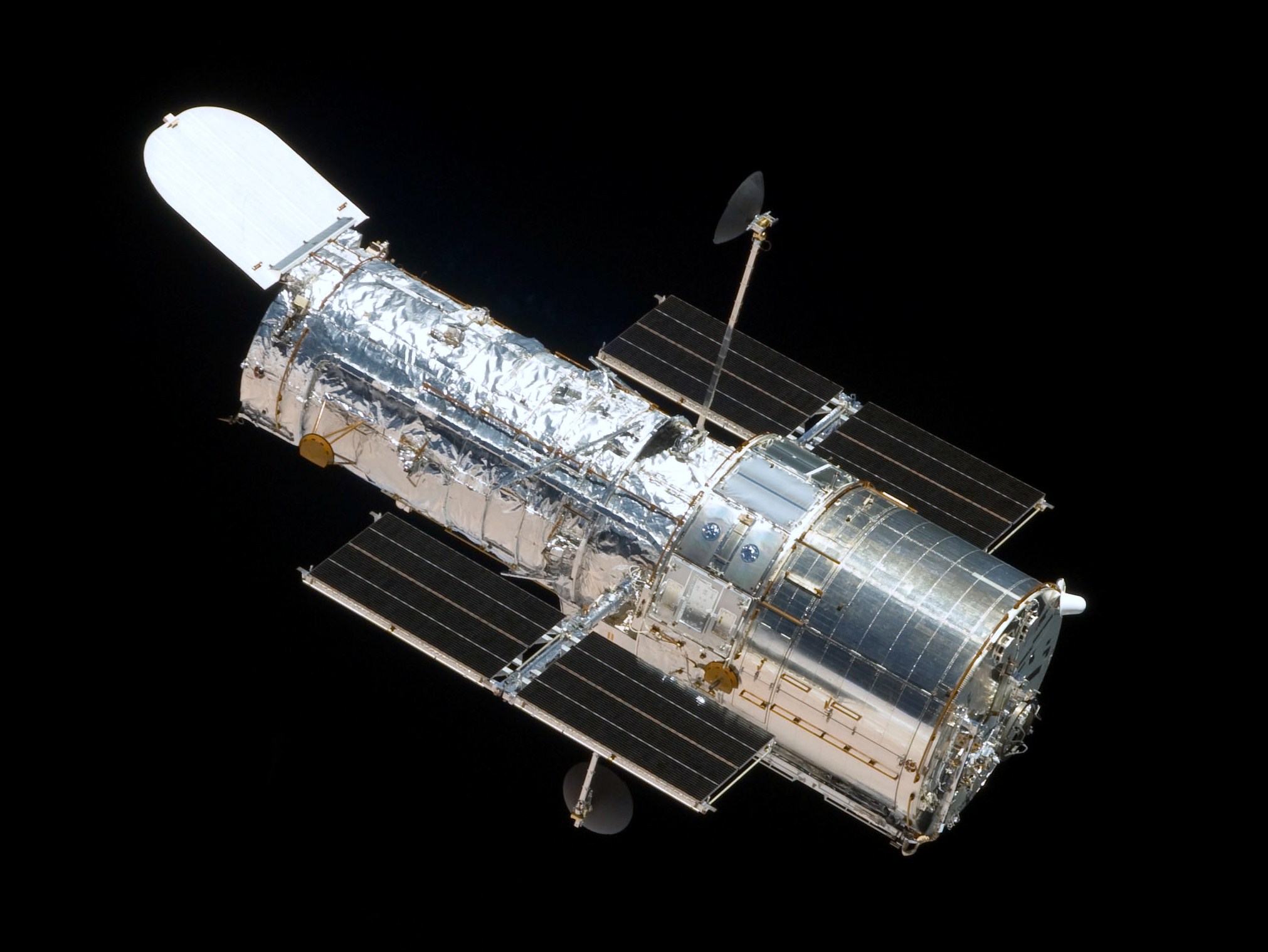
The Hubble space telescope was launched into orbit 1990. Although not the first, it was one of the largest and most versatile space telescopes. By 2020, the Hubble has served for 30 years, with 5 repair missions. It is speculated that Hubble could last until 2030 or 2040. However, as that is only a decade or two away, a replacement would be necessary.
Enter the James Webb Space Telescope, or the JWST. According to NASA, the James Webb telescope will be the largest, most complex, and most powerful space telescope yet. They claim that it will “fundamentally alter our understanding of the universe”. NASA completed the development of the James Webb telescope in 2016. The project started with a 500 million budget, which increased to 10 billion dollars.
The JWST will use infrared light to extend Hubble's previous discoveries. According to NASA, the James Webb is “100 times more powerful than Hubble”. It will be able to look back in time over 13.5 billion years to see the first galaxies born after the Big Bang. The honeycomb design for the James Webb telescope is to have the largest possible reflective surface area to make the observations. Take a look:
By creating this telescope, NASA can help impact the way we see the universe, taking pictures of exoplanets and clouds of space dust that seemed blurry or opaque to the Hubble space telescope. The improvements with the James Webb can help take much clearer pictures and possibly discover new things throughout the universe. This can be one of the most revolutionary NASA projects yet!
The creation of the Hubble Space Telescope was one of the greatest projects by NASA, as it provided images and data that far exceeded anything else at the time. With the new and improved James Webb Space Telescope, it may be one of the biggest inspired wonders for what would come next. As said by Gregory Robinson, “We are now very close to unlocking mysteries of the cosmos.” With the telescope rapidly improving, we may even be looking at beyond the galaxies in less than 20 years.”